
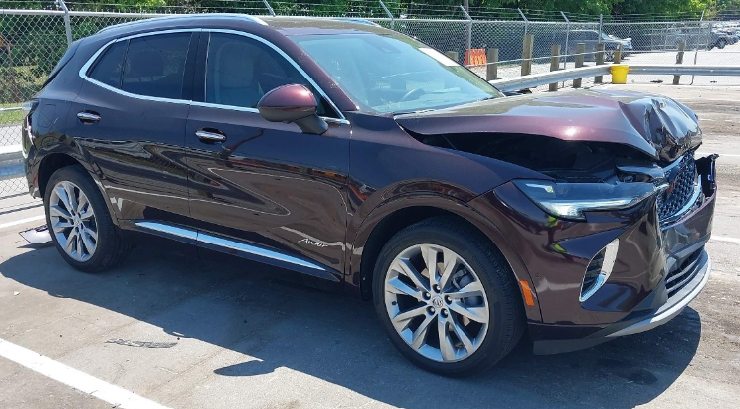
Finding out that your insurance company has declared your vehicle a total loss can be stressful. You may still have questions about your car, your insurance settlement, the title, and whether you can keep or repair the vehicle.
If you're in Florida, understanding what happens after a total-loss determination can help you make informed decisions about your vehicle.
Here are some important steps to consider.
1. Understand Why the Vehicle Was Declared a Total Loss
A vehicle can be declared a total loss when the cost of repairing the damage, along with other factors considered by the insurer, makes repairing the vehicle economically impractical under the applicable circumstances.
A total-loss determination does not necessarily mean the vehicle is completely destroyed.
In many cases, a vehicle can still have significant usable parts and may be repairable. However, the vehicle's title and future use can be affected by the total-loss process.
Ask your insurance company for an explanation of the total-loss determination and the information used to calculate your settlement (Estimate of Damages).
2. Review Your Insurance Settlement
If the insurance company is offering you a settlement, carefully review the valuation of your vehicle.
The settlement may take into account factors such as:
- Vehicle year, make, and model
- Mileage
- Trim level and options
- Vehicle condition before the accident
- Comparable vehicles
- Local market conditions
- Applicable taxes and fees
If you believe the valuation does not accurately represent your vehicle's pre-loss value, ask the insurance company how the value was determined and review the comparable vehicles used in the valuation.
Keep copies of your insurance documents and communications.
3. Decide Whether You Want to Keep the Vehicle
Depending on the circumstances and your insurance policy, you may have the option to retain the vehicle rather than surrendering it to the insurance company.
This is sometimes called owner retention or a retained salvage vehicle.
If you decide to keep the vehicle, understand that your insurance settlement may be adjusted to account for the vehicle's salvage value.
Before making this decision, consider the potential costs of:
- Repairs
- Parts
- Labor
- Towing
- Inspection
- Title and registration
- Insurance
- Additional unexpected repairs
A vehicle that appears inexpensive to repair can become significantly more expensive once all necessary work is considered.
4. Understand What Happens to the Title
This is one of the most important parts of the process.
When a vehicle is declared a total loss and meets Florida's applicable requirements for a salvage designation, the vehicle's title may become Salvage Rebuildable branded.
A salvage title is different from a clean title.
If you plan to repair the vehicle and return it to the road, you should understand the requirements before beginning repairs.
This can help you avoid problems later in the process.
5. Take Photos Before Repairs Begin
If you're keeping the vehicle, document its condition before any repairs are performed.
Take clear photographs and videos of:
- Exterior damage
- Interior
- Engine compartment
- Undercarriage
- Vehicle identification number (VIN)
- Damaged components
- Airbags and restraint systems
- Wheels and suspension
- Any other visible damage
If possible, keep photographs from immediately after the accident as well. You can find SAMPLE PHOTOS on our website.
Documentation can be extremely valuable when you're trying to establish what happened to the vehicle and what repairs were performed.
6. Keep All Repair Documentation
Don't throw away your receipts.
Keep documentation for everything related to the repair, including:
- Parts invoices (Donor's VIN is required for used parts)
- Labor receipts
- Body shop invoices
- Mechanical repairs
- Airbag and safety-system repairs
- Other major work
Organizing your paperwork from the beginning can make the process much easier later.
7. Understand the Florida Rebuilt Vehicle Process
If you decide to repair a salvage vehicle and return it to the road, Florida has a process for inspecting and titling eligible repaired vehicles.
The vehicle must meet the applicable requirements before it can receive a rebuilt title.
This process is designed to verify the vehicle and its documentation before the vehicle is returned to normal road use.
The exact requirements can depend on the vehicle and its circumstances.
Don't wait until the vehicle is completely repaired to find out what documentation or inspection requirements apply. Give us a call at 352-817-6373 and we will be more than happy to guide you step by step.
Understanding the process before you begin can help prevent unnecessary delays.
8. Be Careful About Buying Parts
When repairing a totaled vehicle, the cost of parts can have a major impact on your budget.
Before purchasing parts, determine exactly what needs to be replaced and consider whether you're using:
- New OEM parts( From Authorized Dealers)
- Used OEM parts (Salvage Yard, Private, VIN Required)
- Aftermarket parts (Carpart.com, CAPA, eBay)
- Reconditioned components
For safety-related components, make sure you understand exactly what you're purchasing and whether the component is appropriate for your vehicle.
Keep the invoices/receipts for everything you purchase.
9. Don't Focus Only on Cosmetic Repairs
A vehicle can look good on the outside and still have important mechanical or structural issues.
Depending on the accident, repairs may involve:
- Frame or structural components
- Suspension
- Steering
- Braking systems
- Electrical systems
- Airbags
- Seat belts
- ADAS components
- Cooling systems
- Engine or transmission components
Before considering the vehicle finished, make sure the necessary mechanical and safety-related repairs have been properly addressed.
10. Know the Difference Between a Salvage and Rebuilt Vehicle
A salvage vehicle has a title designation reflecting its salvage status.
A rebuilt vehicle is a vehicle that was previously salvage branded and has completed the applicable process required to receive a rebuilt designation.
A rebuilt title does not erase the vehicle's history.
The vehicle may still have a history of significant damage, which is why future buyers, insurers, lenders, and others may treat rebuilt vehicles differently from vehicles with clean titles. Learn more about title differences in our previous Blog.
Should You Keep and Repair Your Totaled Vehicle?
There isn't one answer that applies to every vehicle.
Before deciding, consider:
Repair Cost
How much will it realistically cost to repair the vehicle?
Vehicle Value
What was the vehicle worth before the accident, and what might it be worth after repairs?
Damage
Is the damage primarily cosmetic, or are there structural and safety-related issues?
Parts Availability
Can you obtain the necessary parts at a reasonable cost?
Time
How long will the repair and title process take?
Insurance
Will you be able to obtain the insurance coverage you need after the vehicle is rebuilt?
Long-Term Plans
Are you planning to keep the vehicle, or will you eventually sell it?
Taking the time to calculate the complete cost can help you avoid unexpected expenses.
What Should You Do First?
If your insurance company has just declared your vehicle a total loss, don't rush into repairs.
A good starting point is:
1. Review the insurance company's valuation.
2. Find out what happens to your title.
3. Decide whether you want to surrender or retain the vehicle.
4. If retaining it, document the vehicle before repairs.
5. Learn the applicable Florida requirements.
6. Keep every receipt and piece of documentation.
7. Plan the repairs carefully.
8. Prepare for the applicable inspection and title process.
Need Help With a Florida Rebuilt Vehicle?
If you've decided to keep your totaled vehicle and repair it, understanding the Florida rebuilt inspection process early can make the process much easier.
At M&L Auto Rebuilt Inspections, we help Florida vehicle owners and dealers navigate the rebuilt vehicle inspection process.
Our goal is to make the process straightforward and stress-free.
Speed. Accuracy. Customer Satisfaction.
If you have questions about your rebuilt inspection or you're preparing a salvage vehicle for the Florida inspection process, contact M&L Auto Rebuilt Inspections to learn more and schedule your inspection.
M&L Auto Rebuilt Inspections
Ocala, Florida
This article is for general educational purposes and is not legal, insurance, or financial advice. Florida title and rebuilt-vehicle requirements can change, and individual vehicles may have different requirements. Always verify the current requirements applicable to your specific vehicle with the appropriate Florida agency and your insurance company.