
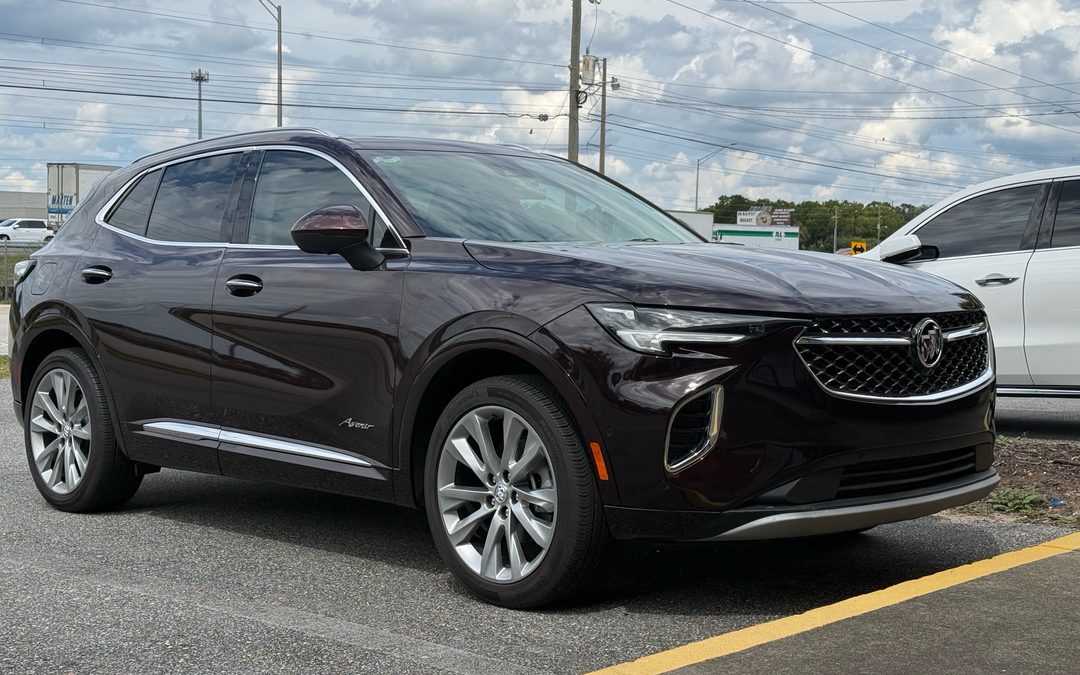
Understanding vehicle title types is important when buying, selling, or repairing a vehicle in Florida. Terms like clean title, salvage title, rebuilt title, and junk title can be confusing, especially if you're purchasing a damaged vehicle or trying to get a repaired vehicle back on the road.
In this guide, we'll explain the basic differences between these title types and what they can mean for you as a vehicle owner.
What Is a Clean Title?
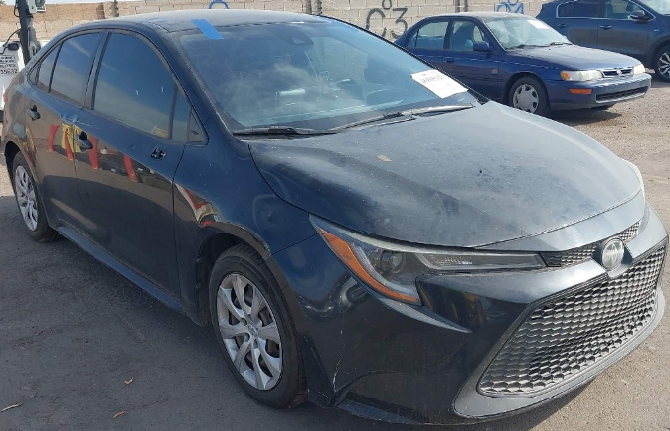
However, a clean title does not necessarily mean the vehicle has never been in an accident or repaired.
A clean title generally means the vehicle's title does not currently carry a salvage or similar major brand.
A vehicle can have an accident history without being declared a total loss, depending on the circumstances and applicable reporting requirements.
For this reason, it's always a good idea to review the vehicle's history and have it inspected before purchasing.
What Is a Salvage Title?
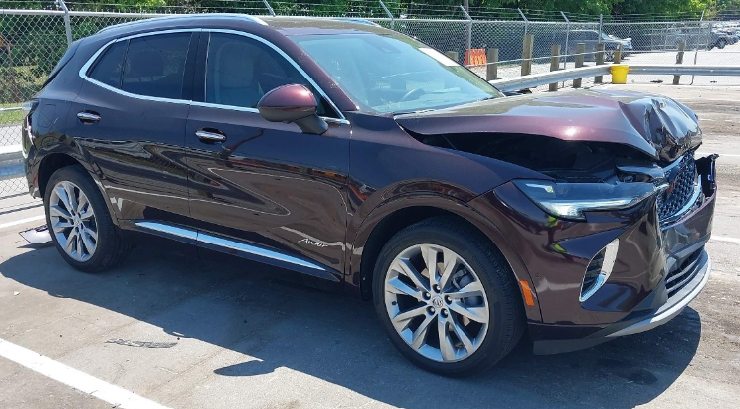
A salvage title is a title designation associated with a vehicle that has sustained significant damage or otherwise meets the state's requirements for a salvage designation.
Salvage vehicles can result from situations such as:
- Major collisions
- Hail
- Flood or water damage
- Fire
- Theft recovery
- Other qualifying damage
The specific requirements for a salvage designation depend on the state and the circumstances surrounding the vehicle.
A salvage title is important because it tells future buyers that the vehicle has experienced a significant event or damage that resulted in the title being branded.
Can a Salvage Vehicle Be Rebuilt?
Yes, a salvage vehicle can be repaired and go through the required inspection and documentation process to become eligible for a rebuilt title.
What Is a Rebuilt Title?
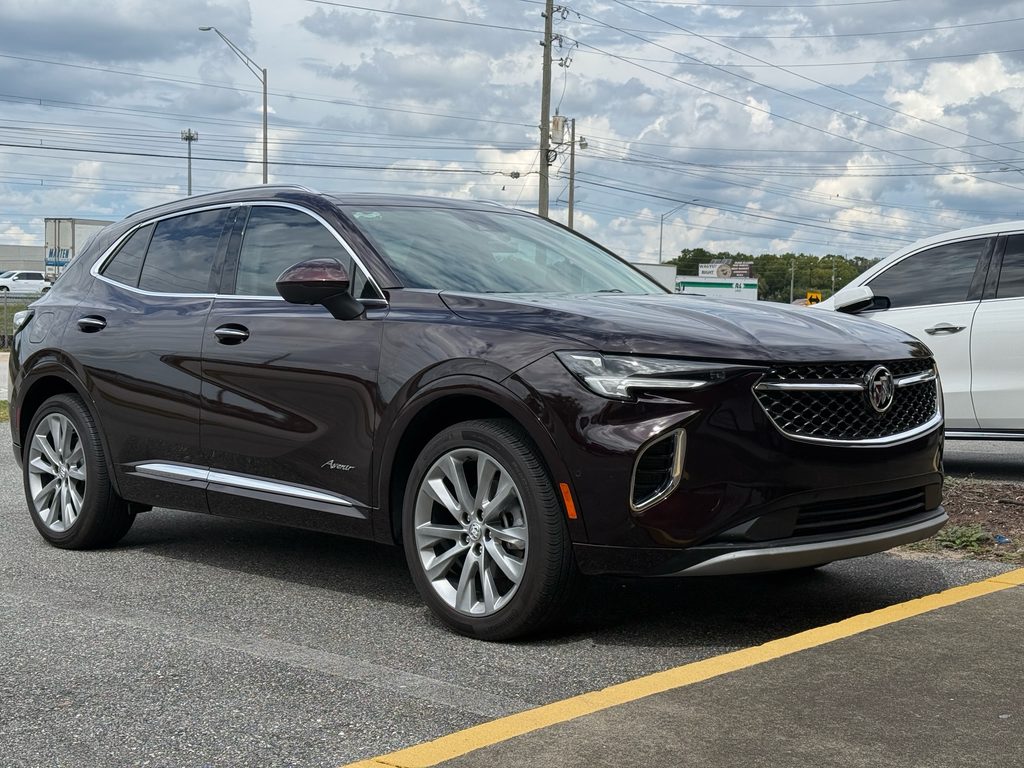
A rebuilt title is generally associated with a vehicle that previously had a salvage/Flood designation and subsequently completed the required process to be titled as rebuilt.
In Florida, vehicles that qualify for the rebuilt process must go through the applicable inspection and documentation requirements.
A rebuilt title is important because it provides a distinction between a vehicle that has been through the salvage process and one that has not.
Does a Rebuilt Title Mean the Vehicle Is Unsafe?
Not necessarily.
A rebuilt title tells you about the vehicle's title history. It does not, by itself, provide a complete description of the vehicle's current mechanical or structural condition.
Two rebuilt vehicles can have very different accident histories, repair quality, parts used, and current conditions.
That's why documentation and a proper inspection are important when purchasing a rebuilt vehicle.
What Is a Junk Title?
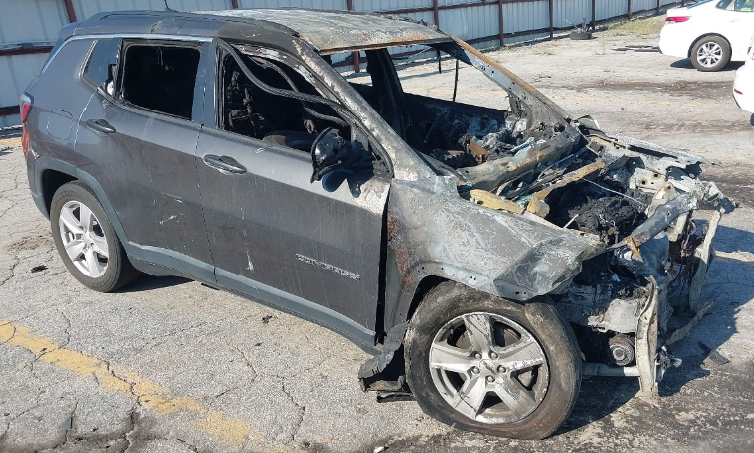
A junk title is generally associated with a vehicle that is considered suitable for parts or scrap rather than being returned to normal road use.
This is different from a salvage vehicle that may potentially be repaired and processed through the applicable rebuilt-title procedure.
If you're considering purchasing a vehicle with a junk designation, make sure you understand the restrictions that apply before investing money into repairs.
Clean vs. Salvage vs. Rebuilt vs. Junk
Here's a simple way to remember the differences:
| Title Type | General Meaning |
|---|---|
| Clean | Title does not currently carry a salvage or similar major brand |
| Salvage | Vehicle has been declared a total loss because of significant damage or another qualifying event. |
| Rebuilt | Previously salvage-branded vehicle that completed the required process for a rebuilt designation |
| Junk | Vehicle generally designated for parts or scrap and not intended for normal road use |
Keep in mind: Title terminology and requirements can vary by state. If you're dealing with a vehicle in Florida, make sure you understand Florida's specific requirements.
A Title Doesn't Tell the Whole Story
One of the most important things to remember is that a title is only one part of a vehicle's history.
If you're considering purchasing a salvage or rebuilt vehicle, ask for as much documentation as possible.
Consider looking for:
- Photos of the vehicle before repairs
- Photos during the repair process
- Repair invoices
- Parts receipts
- Vehicle history reports
- Information about the original damage
- Documentation showing what repairs were performed
A vehicle's current condition depends on how it was repaired and maintained—not simply on the words printed on the title.
Buying a Salvage or Rebuilt Vehicle in Florida?
Before purchasing, take your time and do your research.
A lower purchase price can be attractive, but you should also consider the vehicle's repair history, parts used, insurance considerations, financing availability, resale value, and the requirements for obtaining the appropriate title.
Usually, rebuilt title vehicles lose about 30 to 40% of their pre-accident value. Always make sure you understand that and are paying a fair price, along with making all the investigations related to the vehicle history.
If you are purchasing a salvage vehicle with the intention of repairing it, understanding the Florida rebuilt vehicle inspection process before beginning repairs can also help you avoid unnecessary problems later.
Need Help With a Florida Rebuilt Vehicle?
At M&L Auto Rebuilt Inspections, we help vehicle owners and dealers navigate the Florida rebuilt inspection process.
Our goal is to make the process as straightforward and stress-free as possible while helping customers understand what is required.
Speed. Accuracy. Customer Satisfaction.
If you have a salvage vehicle that has been repaired and you're preparing for the Florida rebuilt inspection process, contact M&L Auto Rebuilt Inspections to learn more about the requirements and schedule an inspection.
M&L Auto Rebuilt Inspections
Ocala, Florida
This article is provided for general educational purposes. Title classifications and requirements can change, and individual vehicles may have different requirements. Always verify the current requirements applicable to your specific vehicle.